 Our Story
The Story Behind Human Systems Coaching
This is the story of how Human Systems Coaching came to exist. I'm telling it the way it actually happened, not as a highlight reel.
It Started With One Question
For as long as I can remember, I've been drawn toward people the world tends to overlook. Children with disabilities. Adults with special needs. People rebuilding their lives after injury or crisis. Later in my career, the faces changed, but the pattern didn't: adults quietly struggling with executive functioning, people burning out, business owners and executives who looked like they had it all together and didn't.
On the surface, these are very different groups of people. But working closely with all of them taught me the same thing, over and over: their potential was always bigger than what their circumstances allowed them to show.
I remember one executive in particular. Brilliant, well-liked, exactly the kind of person everyone assumed had it together. She'd burn out, take a few weeks to recover, come back with a better system, a better routine, better boundaries. A year later, she'd be right back in the same place. Not because she wasn't trying. Because whatever we were fixing wasn't the thing that was actually broken.
I couldn't stop asking why. Why were capable people blaming themselves for problems that weren't actually theirs to solve? Why did intelligent, hard-working people keep struggling despite trying harder than almost anyone I knew?
That question followed me for years before I found an answer worth trusting.
Following the Pattern
Answering that question meant following it wherever it led, and the order it happened in matters more than I usually explain.
Each field answered one question and opened another. None of it was pursued to build a brand. I kept studying because the answers I already had weren't complete.

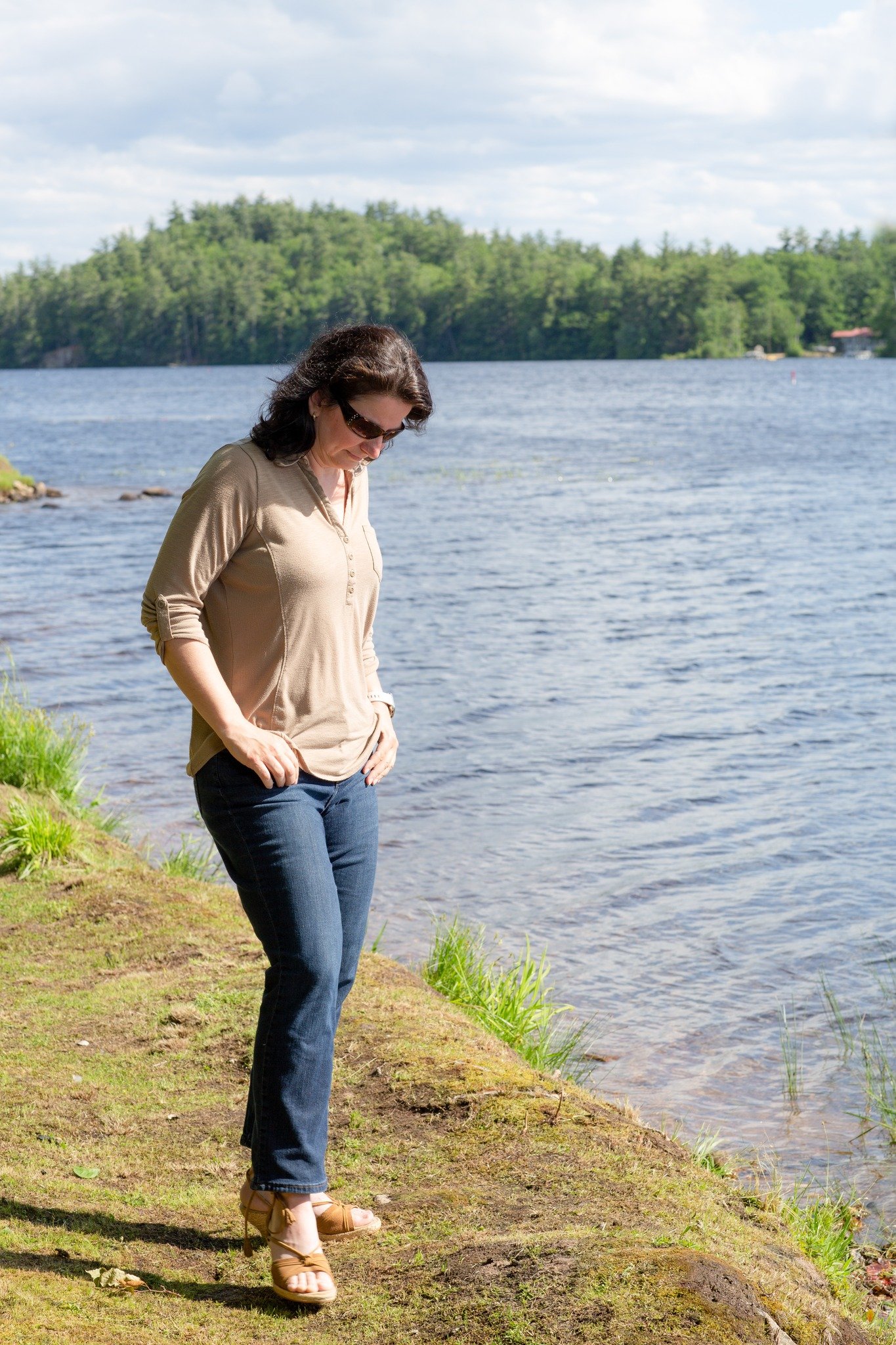
"For more than 25 years, my work has been driven by one question: How do we help people realize the potential that already exists within them?"
What Changed Everything
The breakthrough didn't arrive as a new technique. It became increasingly clear, over years of this work, why the tools I already had kept falling short.
The same pattern kept appearing, no matter who sat across from me: people weren't failing to change. They were fixing isolated problems, one at a time, while the system underneath stayed exactly the same. A better morning routine couldn't fix a nervous system stuck in overdrive. A new business strategy couldn't fix a leader whose decision-making was permanently overloaded. The symptom moved. The system didn't.
Once I saw that clearly, I couldn't unsee it. Over time, those observations formed the foundation of what is now called Human Systems Coaching.
What started as a personal question is now a professional discipline.
Human Systems Coaching Today
What began as a question became a methodology I still use every day: treating decision-making, behavior, cognition, nervous-system regulation, time and capacity, environment, and leadership as one interconnected system, instead of isolated problems to fix one at a time.
Today, I apply it in three ways:
The Person Behind the Question
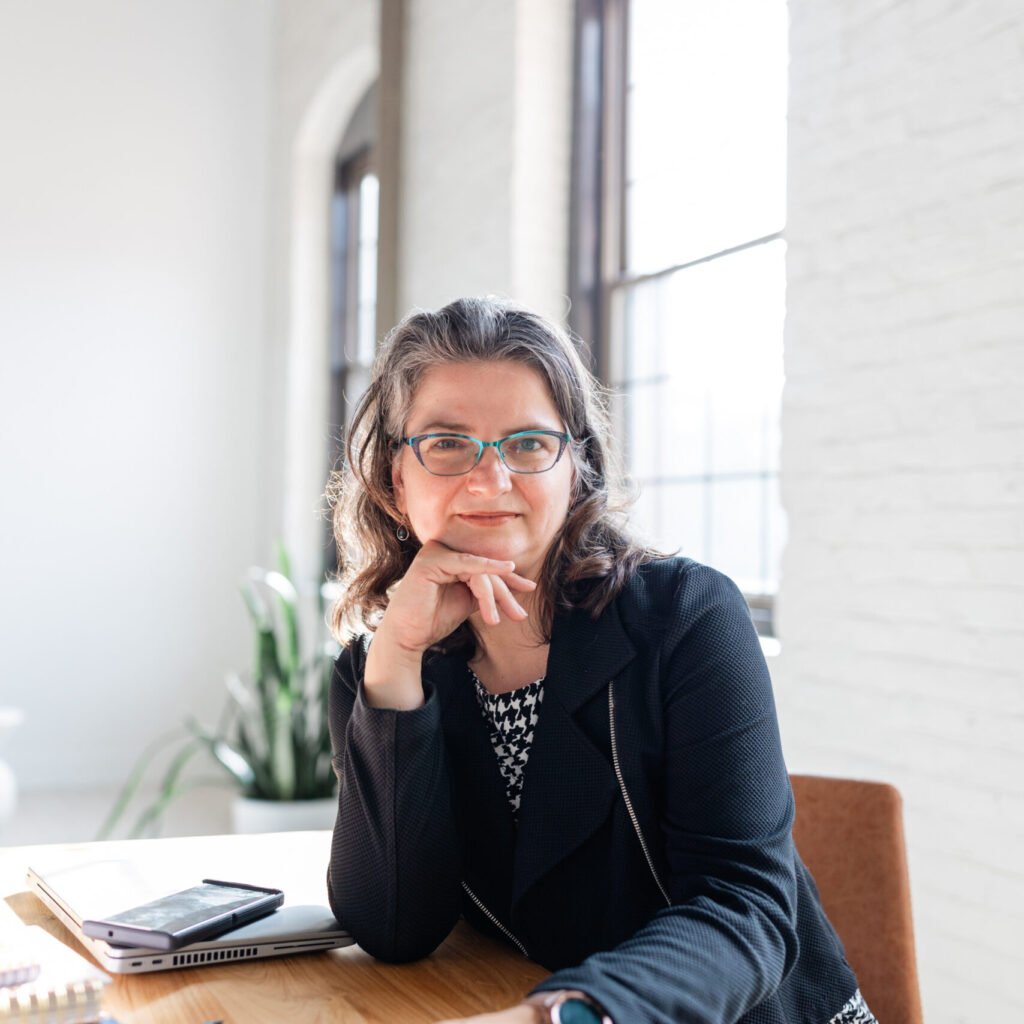
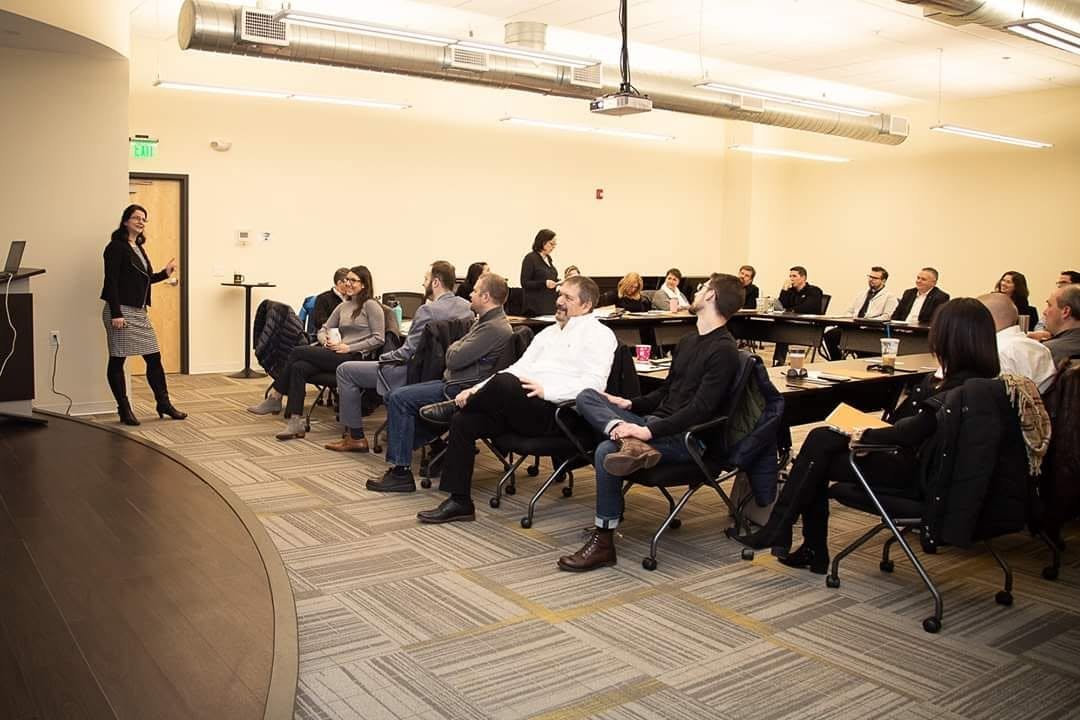
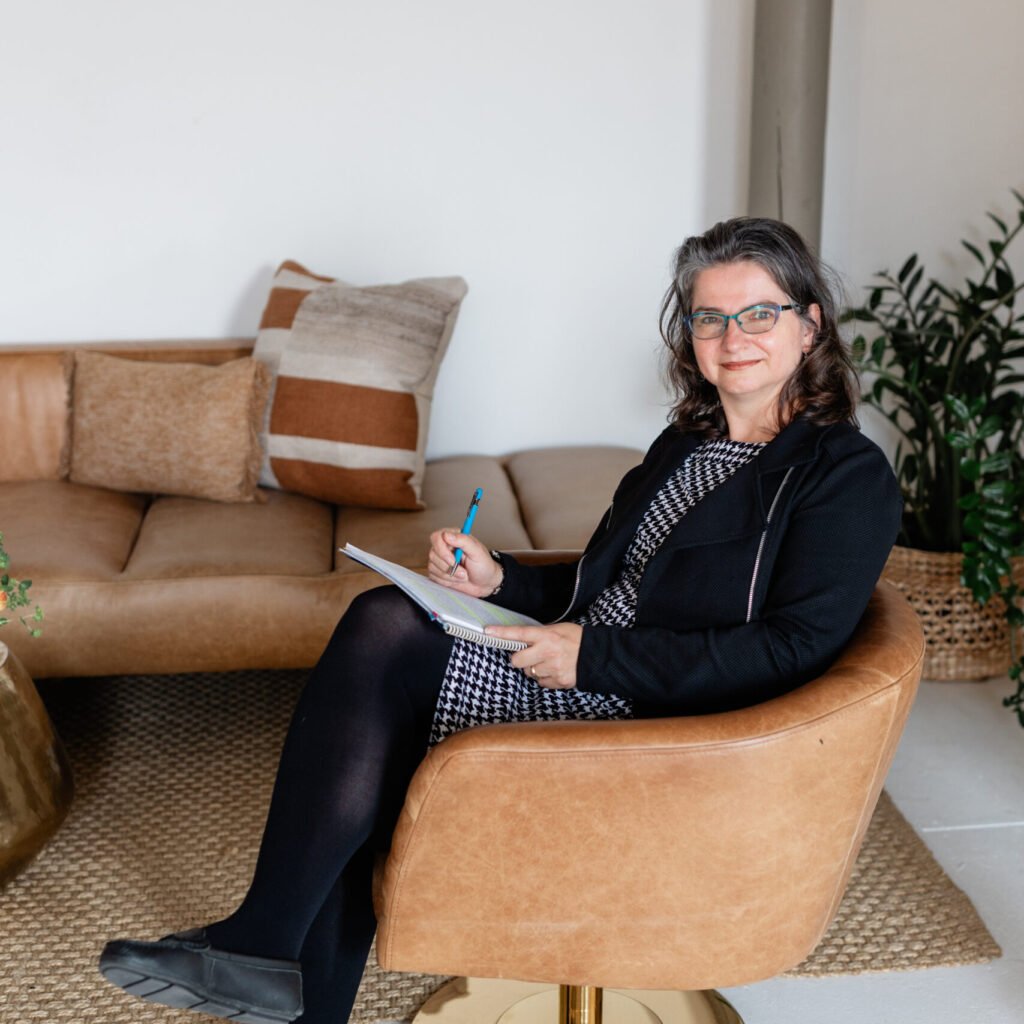
I'm Dr. Karolina LaBrecque, founder of Help To Grow Institute LLC and the person behind Human Systems Coaching. My path here runs through a PhD in Rehabilitation Science, an M.S. in Psychology, and more than 25 years of direct work with real people and real problems. Along the way, that work became a book, and it's taken me to stages across the country to share it. Those are meaningful parts of the journey, but the work itself has always mattered most.
Looking back, I can see that I've always been drawn toward people the world underestimated. Whether they were children with disabilities, adults rebuilding their lives, overwhelmed business owners, or exhausted executives, I rarely saw broken people. I saw people carrying far more potential than their circumstances allowed them to express. That belief quietly shaped every educational choice I made and every stage of my career. I wasn't collecting degrees. I was searching for better answers.
What keeps me in this, more than two decades later, isn't the credentials. It's the same fascination that started all of this. I still find people endlessly interesting, not as case studies, but as whole systems, each one a little different, each one solvable in its own way. That question hasn't gotten old. If anything, it's more interesting to me now than it was when I started.
Beyond the Work
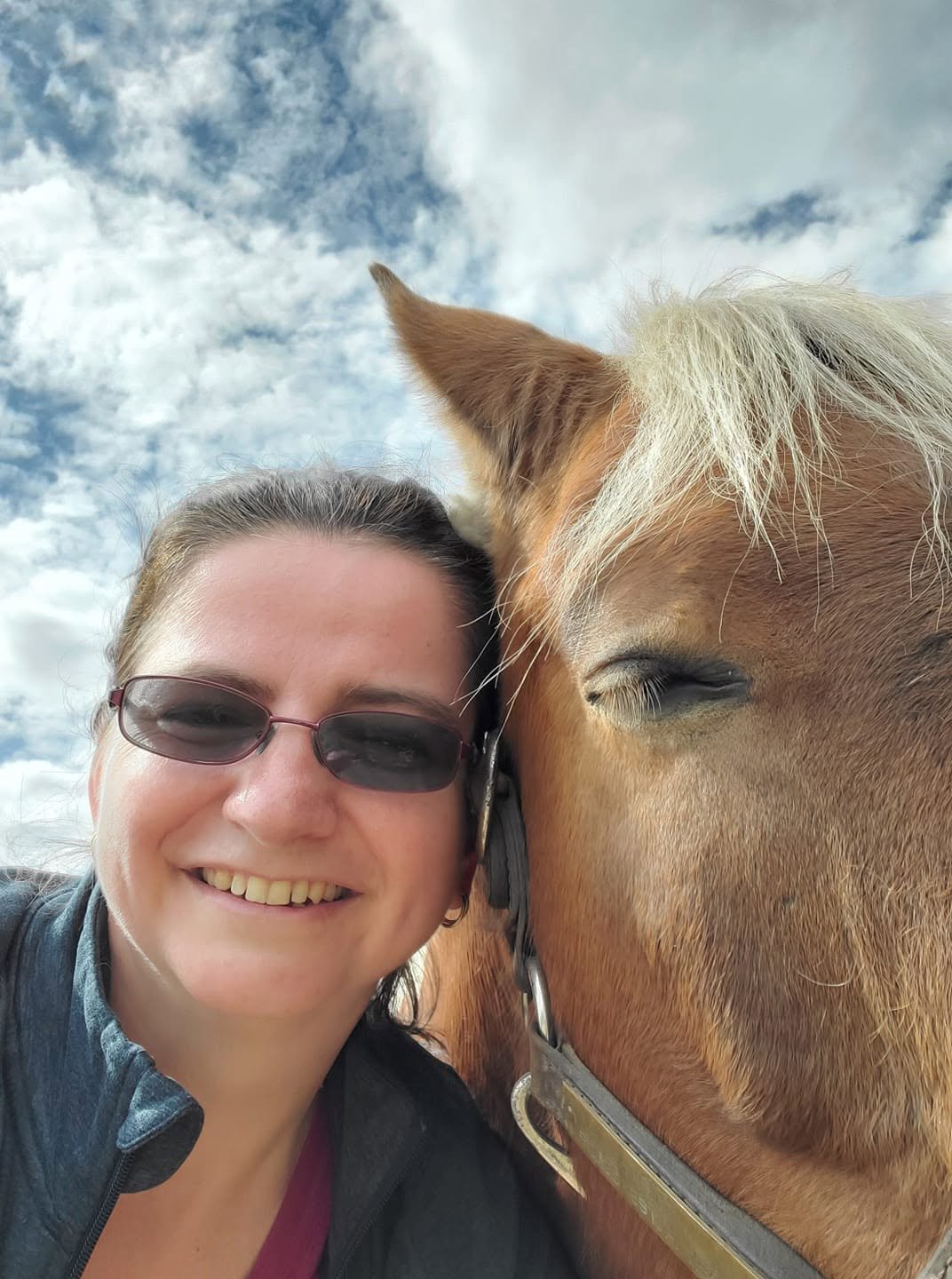
Nature is where my thinking actually happens. Most of my clearest ideas haven't come from a desk, they've come from a trail or the middle of a lake, somewhere quiet enough to hear the thought underneath the noise. Hiking and kayaking aren't hobbies I schedule around the work. They're part of how the work gets done.
Time with family reminds me why any of this matters in the first place. And I've never stopped being a student. The moment I think I've learned enough about how people work, I'll know I've stopped paying attention.